
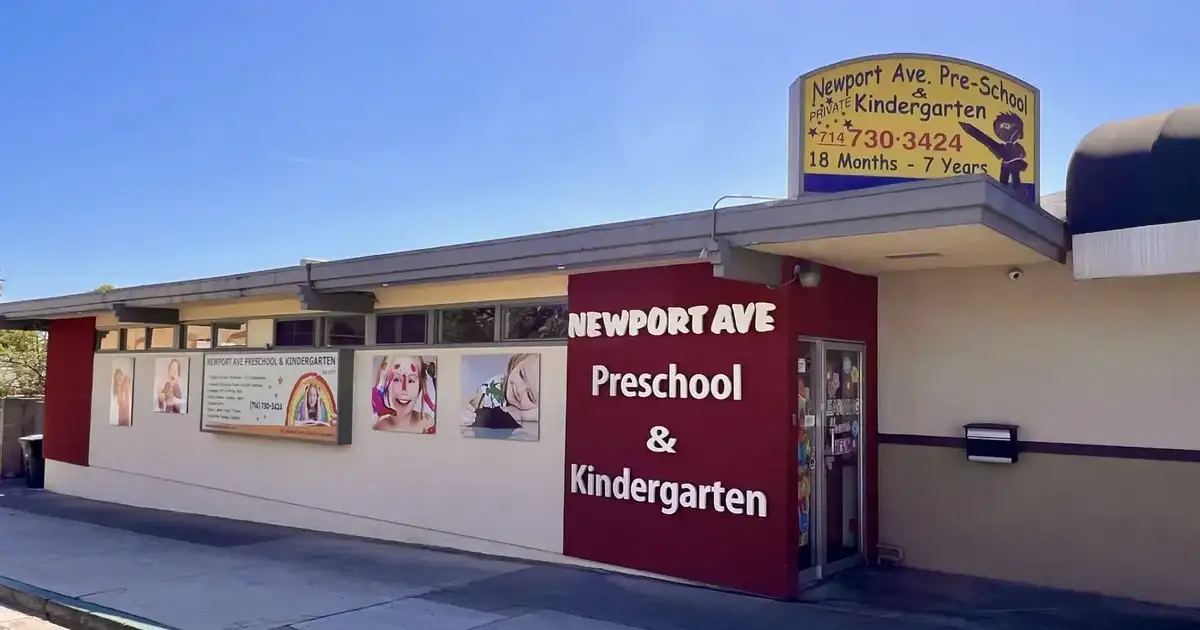
Hand a four-year-old a butter knife and a banana, and you’ve handed them math, fine motor practice, science, new words, and a good dose of pride. Cooking is one of the most complete activities in early childhood. It’s a real task with a real result, sized for small hands. That’s why cooking fits so well with a STEAM approach like the one at Newport Ave Preschool & Kindergarten in Tustin. Here’s why cooking earns its place, and how to try it at home without losing your kitchen or your patience.
Key takeaways
- Cooking is learning in disguise: measuring is math, mixing is science, spreading is fine motor work, and following a recipe is sequencing and early reading.
- Pride helps with picky eating. Children often taste what they made, even foods they’d turn down from your hand.
- Real tools in small sizes beat toy versions. Butter knives, small spreaders, and real whisks build real skill.
- Careful classroom cooking starts with the allergy list. A good program checks each recipe against it before anyone picks up a spoon.
- At home, think job, not cooking show: one real task per meal, done slowly, with specific praise.
What is a preschooler learning while making fruit salad?
Take one simple project and count what’s in it.
Math. The recipe needs two bananas and six strawberries, so counting has a real purpose. Cutting orange segments in half is fractions you can hold. “Do we have enough bowls for everyone?” is one-to-one matching.
Fine motor skills. Peeling a banana uses both hands together. Slicing with a butter knife builds grip and pressure control, the same skills scissors and pencils need. Spooning yogurt without decorating the table is its own lesson.
Sequencing and reading. A picture recipe (wash, peel, slice, mix) is a text the class “reads” and follows in order. That’s story structure and following directions in one.
Science. Apple slices turn brown if you leave them out. Yogurt coats everything it touches. The kitchen is a handy science lab.
Language. Peel, core, slice, drizzle, and combine are rich, physical words. Kids tend to remember them because their hands were busy when they heard them.
Executive function. This is the quiet one. Children wait their turn with the good knife, do their part in a group project, and try not to eat the ingredients before the recipe says to. That last one is the hardest rep of the day.
Why do kids eat food they made but refuse the same food on a plate?
Because making it changes how it feels. A strange green thing on a plate is something being pushed at you. A snap pea you shelled yourself is something you did.
Research on kids helping in the kitchen suggests that children who help prepare a food may be more willing to taste it, and low-pressure, repeated exposure can shift preferences over time. A few things are at work at any classroom cooking table.
Familiarity. A child who has touched, smelled, and torn up the spinach has met it with four senses before the taste question comes up. Pickiness is often a familiarity problem.
Choice. Tasting your own creation feels like a decision, not an order. Four-year-olds love a decision.
The peer table. One classmate’s “mmm” does more than any adult’s speech about vegetables. A whole table eating its own fruit salad is hard to match at home.
So at home, try a different approach. Stop selling the vegetable and start giving your child a job. The tomato-refuser who washes and tears the lettuce is already on the way to eating the salad.
What does careful cooking with preschoolers look like?
With small tools, clear jobs, and allergy checks first.
Tools. A typical kit is real but limited: butter knives and small spreaders for bananas and soft bread, child-size whisks, mixing bowls, measuring cups, and mashers. Anything hot stays with adults, so projects are no-cook, or a teacher handles the hot step. Toy tools get skipped on purpose. A knife that can’t cut a banana only teaches frustration.
Jobs. Group cooking often runs as stations: washers, tearers, slicers, mixers, and servers. Each child can get one real job at their skill level, and trickier steps can go next to an adult. Hand-washing comes first and last. The no-tasting-during-production rule gets enforced with humor and partial success.
Allergies. This one comes first. A careful program plans each recipe around the room’s current allergy list from the start. It plans substitutions so every child can make and eat the same thing where possible, and it screens anything coming into the room, birthday treats included.
Ask about all three on a tour. A program that cooks with children should be able to explain how it handles each one.
How do I cook with a preschooler at home?
Give one job, go slowly, and leave extra time.
Many parents know the failure. It’s 5:45 on a Tuesday, the child is hungry, you’re hungry, and you start “Family Cooking Night.” It ends with the child sent away and you muttering, “It’s faster if I do it.” That’s true, and it’s beside the point.
Here’s what tends to work better.
Pick one real job per meal. Tear the lettuce, whisk the eggs, or slice the mushrooms with a butter knife. Match it to the age. Twos wash, dump, and tear. Threes spread, slice soft foods, and whisk. Fours measure, crack eggs with supervision (and a little shell hunting), and handle multi-step assembly.
Do it when you have time. Weekend breakfast and Sunday prep are better than weeknight rush. When you have to cook on a rushed night, give your child the salad while you run the stove. You’re working side by side, not together.
Set up a station. A sturdy stool, a low drawer for their tools, and an apron help. A little ceremony matters.
Praise the work. “You sliced every one of those” lands better than “so cute.” Then name the cook when you serve it: “The salad is by Maya.” That credit is part of the flavor.
Expect mess, and some eggshell as a garnish. A year from now, your child may quietly make their own sandwich, start to finish. That’s a nice sign it’s working.
Frequently asked questions
What can a two-year-old do in the kitchen?
Wash produce, tear greens, dump in measured ingredients, mash, and stir cold bowls. They’re real jobs with plenty of mess and real pride. Heat, sharp tools, and raw-egg steps stay with you.
Raw egg and batter licking: where’s the line?
Cracking eggs with supervision is fine. Raw batter that has egg or raw flour in it is best skipped for tasting. Save the licking for cooked food, or for recipes made without raw egg or raw flour.
My child just wants to eat the ingredients. Can this be saved?
That’s a hungry helper. Offer a small snack first, give them an official taster role with set moments, and accept that some cucumber won’t make it to the bowl.
How can I find out about cooking at my child’s school?
Ask the teacher what the class has made lately. Projects like this often follow the class theme, and there may be a recipe you can try at home.
Ask about hands-on projects like cooking when you visit. Call (714) 730-3424, Newport Ave Preschool & Kindergarten in Tustin.